Can my walking stick be my hidden disabilities stick?
Does my walking stick help more with being autistic than it does with chronic fatigue?
Can a walking stick highlight invisible disabilities?
In the past few months I've found having a walking stick to be the best way of making an invisible disability visible. Wearing the Hidden Disabilities lanyard has, as far as I'm aware, done nothing for me. No one has ever commented on it. No shop assistants, front of house staff, or public transport people. Maybe it's helped, but I have no actual data on that. The walking stick though, that's helped.
A few years ago I did a photo-essay on not being seen around London. Every time I visited the city people bumped into me. I spent most of my time there moving out of everyone else's way. It never felt like anyone gave me any space, and being 6ft 5in (195cm) and 17 stone made me wonder how I was so invisible. My walking stick instantly made me visible. People gave me space on the pavement. After a lifetime of feeling like I was in everyone else's way, probably because I am bigger than most people and always the odd one out, people gave me space. While I've been dealing with chronic fatigue this has been incredibly helpful. It sounds like such a tiny thing but it's nice to not have to think of everyone else for five minutes while you barely have the energy to stand, and for someone to say "After you."
This makes me sound like I'm some kind of pavement saint who should be awarded an OBE for services to passers-by. But it's probably all due to my anxious brain overthinking everything. I find it hard to shop because I know if I go to look at something I'm blocking someone else's view or ability to pick up an item. I struggle at gigs because my wife needs to be close to the front to see but then I block others' view by being tall, and there is nothing I can do. Sometimes I do wait at the back or side so I'm not in the way.
The walking stick, that I use to rest on due to chronic fatigue, gives me the confidence to use the disabled/priority seat on public transport in a way that the Hidden Disability lanyard never did. Having a hidden disability means I never feel disabled enough to ask for help. If I'm having a tough day and really need a seat on a train I do not feel like I have the right to sit in it. But as lanyard owner Cheryl suggests, I should:
I saw someone sitting in a disabled seat and asked if they needed the seat as I am autistic. They looked up, saw the lanyard and said I could have the seat. I was about to have a panic attack because it was so busy. Sitting down gave me the opportunity to practice my breathing techniques and manage the panic attack in a more accessible way. Without the lanyard I would not have felt comfortable asking for a seat someone was sitting in.
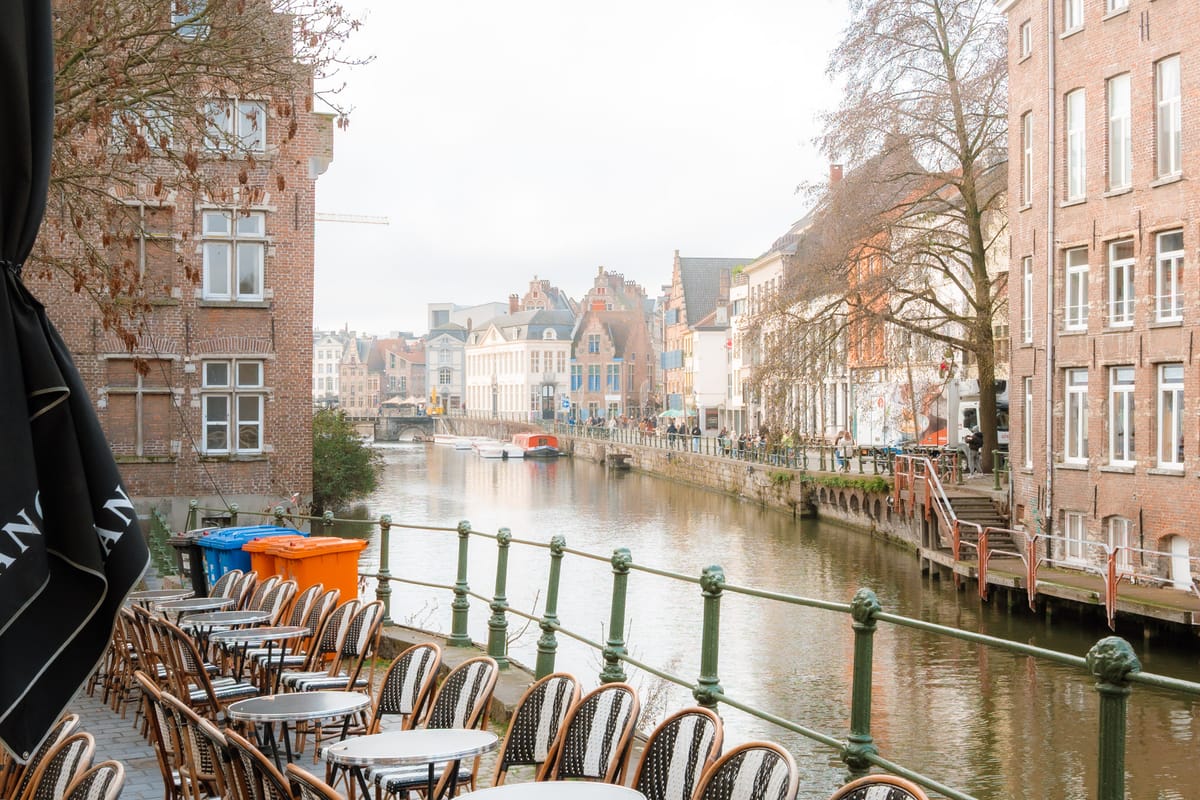
The walking stick has given me that ability to sit in the priority/disabled seat, and to ask for assistance because I need it. People understand a walking stick, and so I feel confident when using disabled spaces. On a jam-packed train recently in Belgium, a stranger was concerned for me as we had to stand for 20 minutes and there were no seats. I managed, but would that have happened if I had been wearing an "I'm autistic" lanyard? I assume that's simply down to awareness. You see someone with a walking stick and you get it, but an "I'm autistic" sticker? "That's the one where they count toothpicks, right?" So again, internalised ableism has prevented me from asking for the things I need and I have to admit it is much easier to simply walk around with a walking stick to highlight the fact that I'm disabled rather than speak up.
Weirdly, this is my reasoning for continuing to use a walking stick. I can happily wear the Hidden Disabilities lanyard as well, but I feel that the cane is a more effective tool at getting help when I need it. Sometimes I am too overwhelmed to know how to ask for help and the cane means that people around me give me just a little bit more time and space.
But here's the fun part. My brain won't let me keep using the cane if my legs are OK. It's telling me that it would be misleading and that I'm a fraud using the stick for sympathy and to cheat the system. If you saw me out running and then walking around with a walking stick you might think I was doing a benefit fraud scam. While it could be useful to at times slow down and walk around with a walking stick highlighting that I'm disabled, I would feel like a fraud. Whether it would be or not I can't say. I can see a legitimate reason to use it just not in the way it was intended. There is also the possibility that this is simply internalised ableism, again.
Can the ends justify the means? Can I use a walking stick to justify sitting at a priority/disabled seat because my actual issue is being overwhelmed by the world due to being autistic? The seat is for me as an autistic person, but without the stick I look like a healthy person being a dick. But am I being an actual dick by manipulating people by using a cane?
My walking stick has become my hidden disability stick. Maybe I am cheating the system to get people to be a bit more patient with me and to have priority access to space around me. Thing is, shouldn't those be a given? We never had them during the height of COVID times, let alone today. So is it bad to have a cane just to be visible?

Links
- Minimalistic City Map Posters. This Github project from Ankur Gupta allows you to “generate beautiful, minimalist map posters for any city in the world”.
- H&E naturist magazine February 2026 print edition. H&E Naturist magazine, February 2026: dream naturist destinations, North East Skinny Dip, cartoon nostalgia, social media, wellness industry and more
- ‘Tomodachi Life’ Will Have Gay and Nonbinary Miis for First Time Ever. Nintendo first promised to make a more inclusive ‘Tomodachi’ game 12 years ago.
- Cheryl's Journey with the Hidden Disability Scheme and Autism. Embracing the Yellow Sunflower: At CHANGE we believe in clear and accessible communication to foster truly inclusive environments.
- Vitamin D & Omega-3 have a larger effect on depression than antidepressants. An accessible deep dive into the science (⏱️ 28 min read)
- things that help me deal with POTS. 5 years in




Comments ()