I felt able in Berlin
How I accidentally made a city break work for my autistic brain.
I felt able in Berlin
How I accidentally made a city break work for my autistic brain.
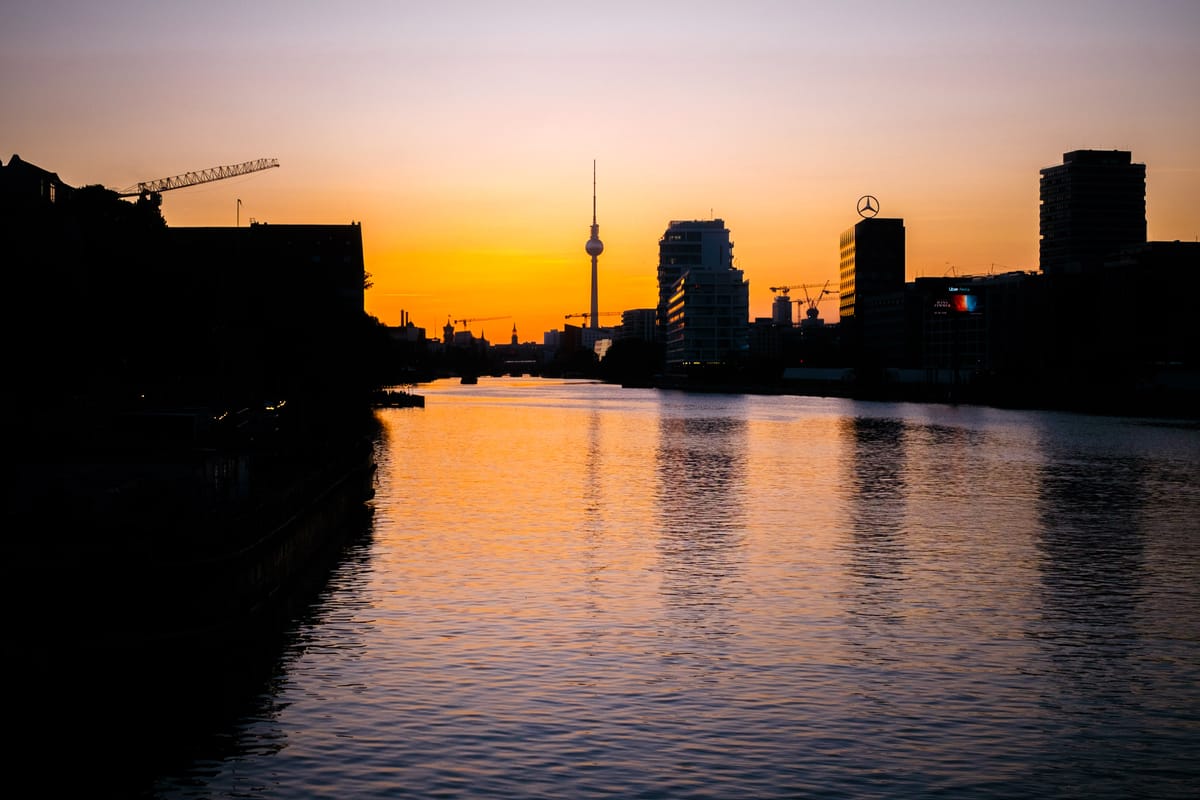
In 2024 my wife and I stopped over in Berlin for a few days on our way home from a beach in Croatia. Upon arriving and finding the Airbnb instructions unable to get us out of the main train station, I shut down. If you’ve never been to Berlin HBF (Central Station), imagine someone stacked all the train stations in one country on top of each other. It’s a multistory labyrinth of chaos that can be completely overwhelming if you’re not prepared. I wasn’t. I panic-booked an Uber and recovered at the Airbnb before venturing back out into the world. Once my brain had reset, I found Berlin to be astounding. I had to go back.
So we did. And you know what, somehow it was the most chilled city break I’ve ever done. Despite being over a bank holiday weekend, in a capital city of nearly 4 million people, during a heatwave. Somehow, it was chilled. Imagine going to a major city and not feeling disabled. I loved it.
Itinerary
While there were numerous factors that helped, the main one was using an app called Tripsy. It’s a travel planning app for iPhone/iPad/Mac and Apple Watch. A paid subscription is, unfortunately, essential, but I only pay for the single month I’m away. This unlocks the email forwarding feature whereby you can forward all your tickets and documents directly into the app. It will read those and add them to your trip itinerary, which you can also subscribe to as a calendar feed. This meant that whenever I opened the app, or looked at the widget on my phone/watch, I knew what was next. I could get to the train information I needed while waiting at the platform, though the app can be fiddly. Ideally, I want to see train times and seat information as quickly as possible either on my phone’s lockscreen or a widget.
On the whole, though, Tripsy was essential. All our tickets and documents were there. Whenever we booked something, I forwarded it to the app and it was added directly to our trip. This meant that each morning over breakfast, I could open the app and plan a fun day out. I let my wife choose where we were going, and then I could suggest places to eat, drink and visit from our list. If they looked good, I could set a time and date for the item and it became part of our day. The app always had quick buttons to access travel information via Apple Maps, so it was incredibly easy to get around.
While we had a schedule-building session over breakfast, nothing was nailed down. Outside of a prebooked walking tour and the Reichstag visit, nothing was scheduled. Everything was relaxed and fluid. If we missed something, well, it’ll be there for next time. This gave us the freedom to explore and also the freedom to relax. Feeling pressured is bad for my autistic self and can cause me to shut down. If I knew we had to do something by some time, I could become stressed and unable to make decisions or process information. That is what happened to me on our first trip, and I did not want that for this one. So, fluid schedules and enough time for photos as we wandered.
By the time we left each morning, I knew what to be excited about seeing, where we would be eating for lunch and dinner, and that I had the freedom to take photos as we went. I never felt like my autistic sensory issues were causing a problem, or that my photo ADHD was slowing us down. Add to that the weirdness of Berlin’s cultural tourist spots being absurdly quiet, and we had a calm time.
Clothes
The weather forecast was a bit all over the place, so I packed for torrential rain and 30°C sunshine. I had recently bought some new shirts that are so quick to dry they basically come out of the washing machine dry. I knew I would be taking a backpack, which would mean a sweaty back from walking all day in 30°C heat. But these shirts were so good I never had to worry about going into a restaurant in sweaty clothes.
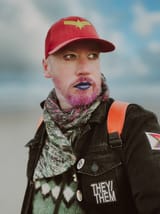
As well as the quick-drying shirts, I took lightweight socks and briefs that could easily be washed and dried if need be. Nothing was newly bought, and everything had been well tested for blisters before we left. I had a couple of pairs of shorts and even a skirt in case I felt brave enough to wear it. When the temperature hit 30°C it seemed like the only logical thing to wear, so I did.
So, clothes were all sorted, removing distraction, debate and quandaries from my brain. Sunny? This. Rainy? That. Done.
Food
Food in Berlin was strangely easy. If you want, you can find interesting places to tickle your tongue, but for me I just wanted to know I could eat. I enjoy nice food, but nice food I can handle. My wife has no issues, so I need to find somewhere where I can eat and she can enjoy something interesting. It can’t be Greggs for lunch/tea every day.
Luckily Berlin was filled with schnitzel and bratwurst places. Normally when I travel my go-to is steak or a plain burger. That’s plain without cheese, not plain with cheese. But in Berlin I was able to enjoy a surprising variety of food, more than I would in the UK because everything is spicy or covered in something. Each night I had a choice of bratwurst, burger, steak, chicken schnitzel or pork schnitzel, within walking distance of basically everywhere.
Sensory Issues
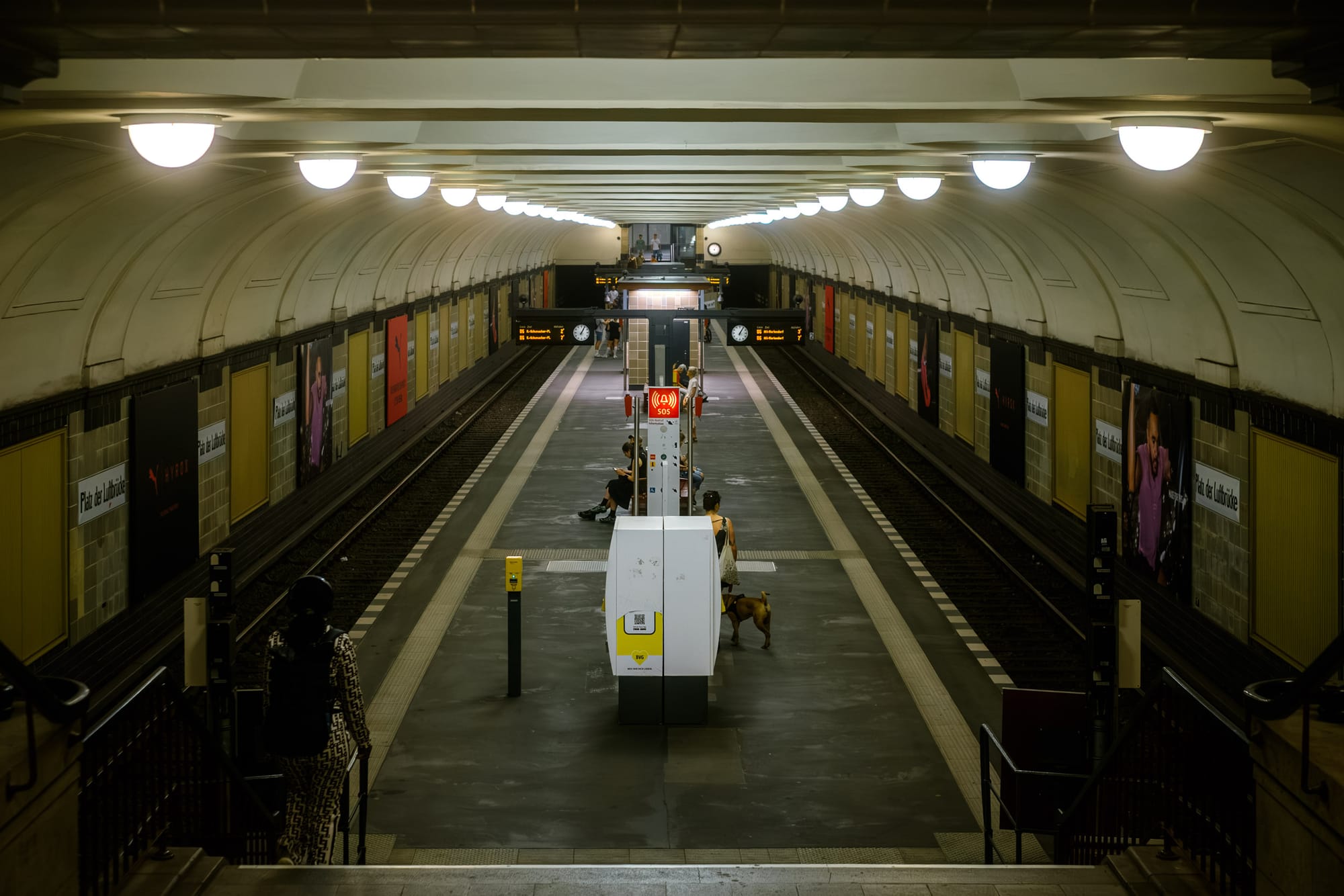
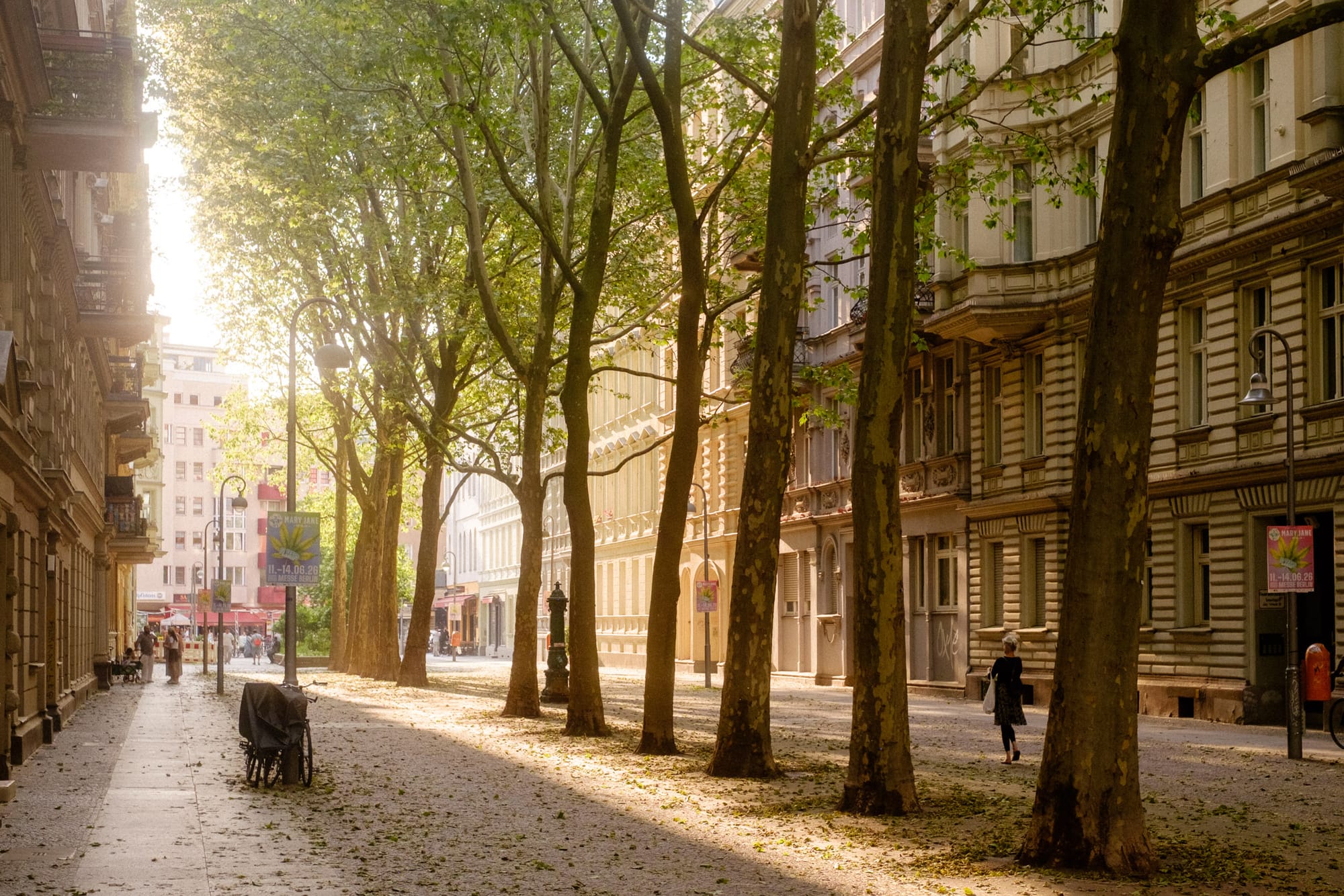
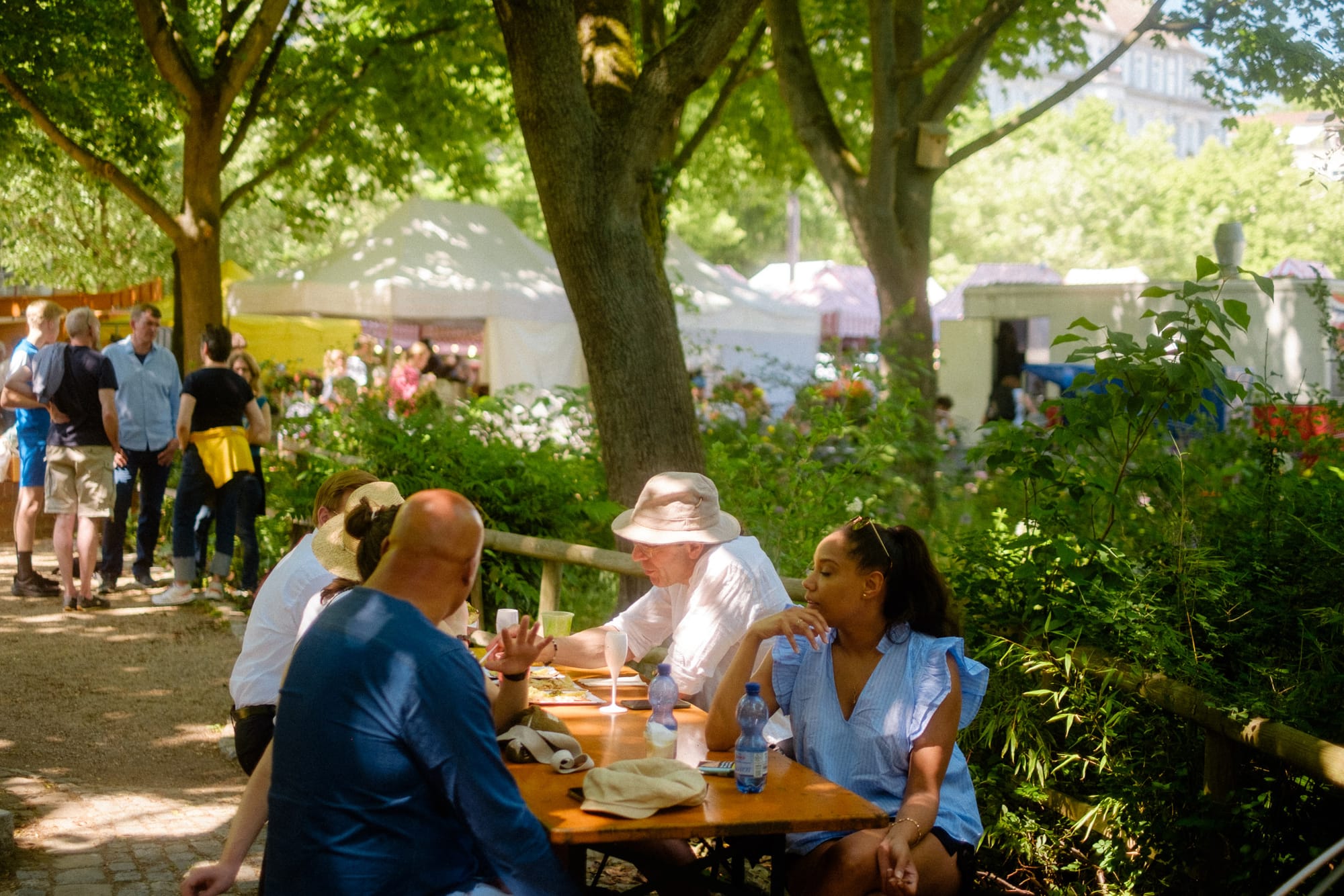
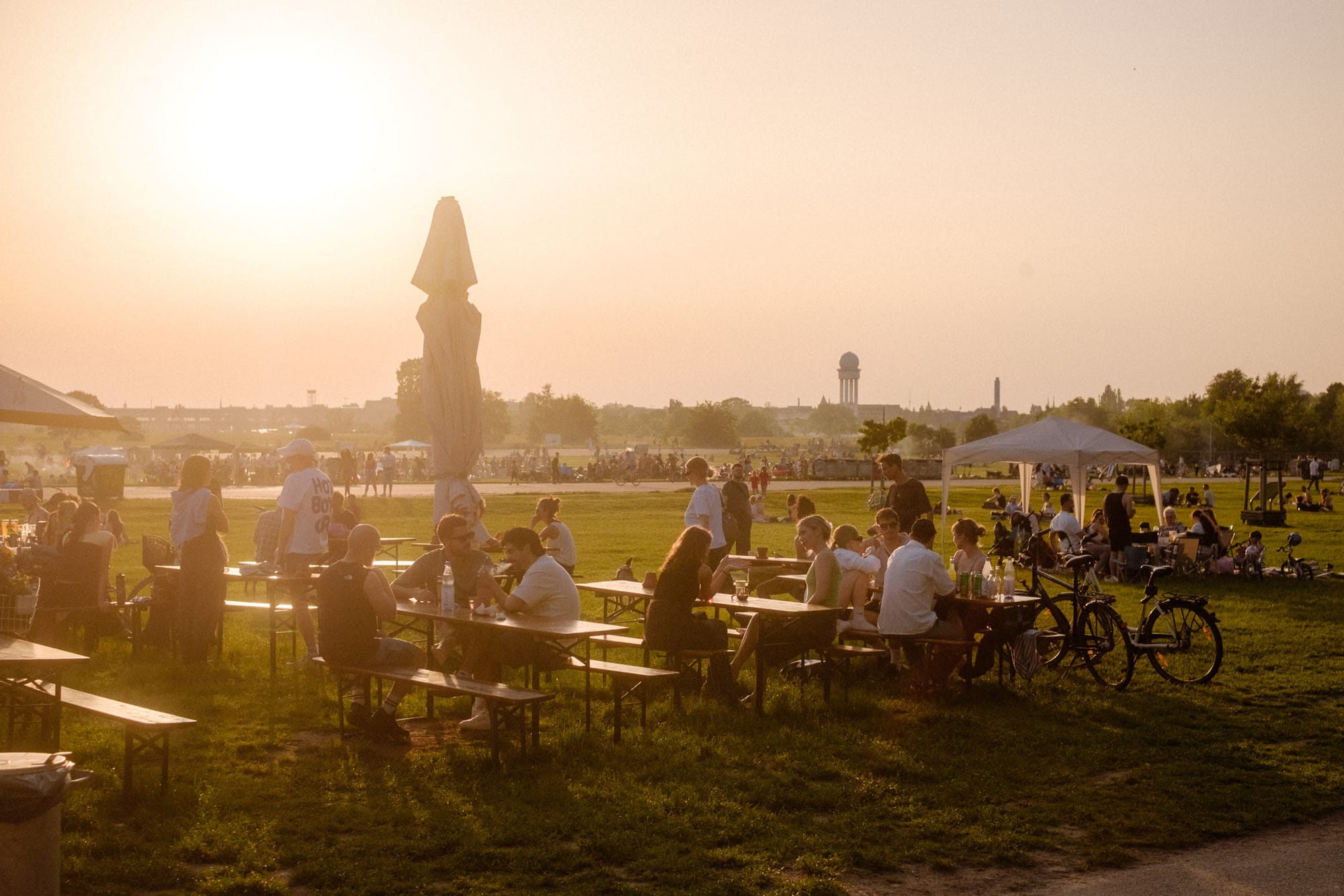
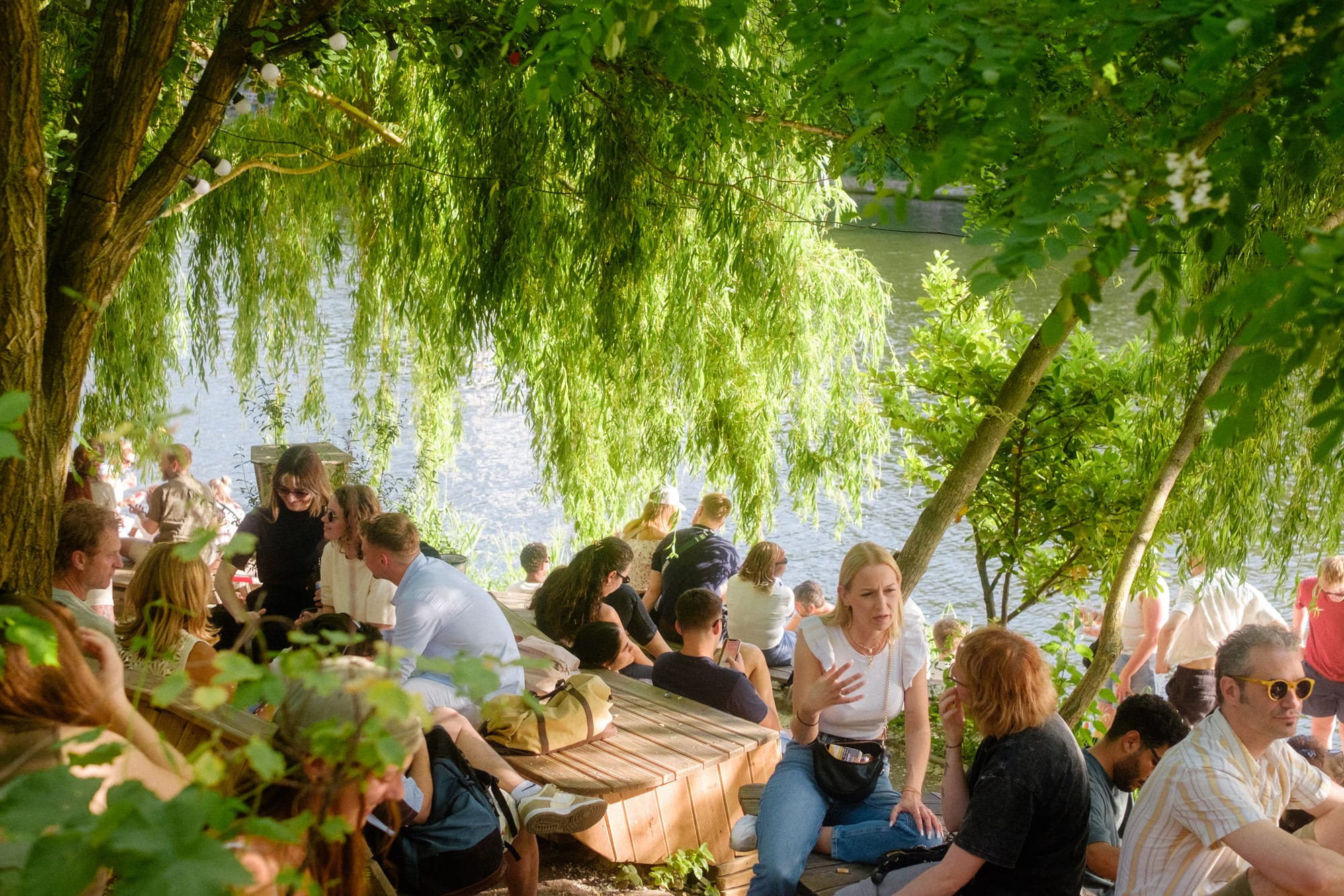
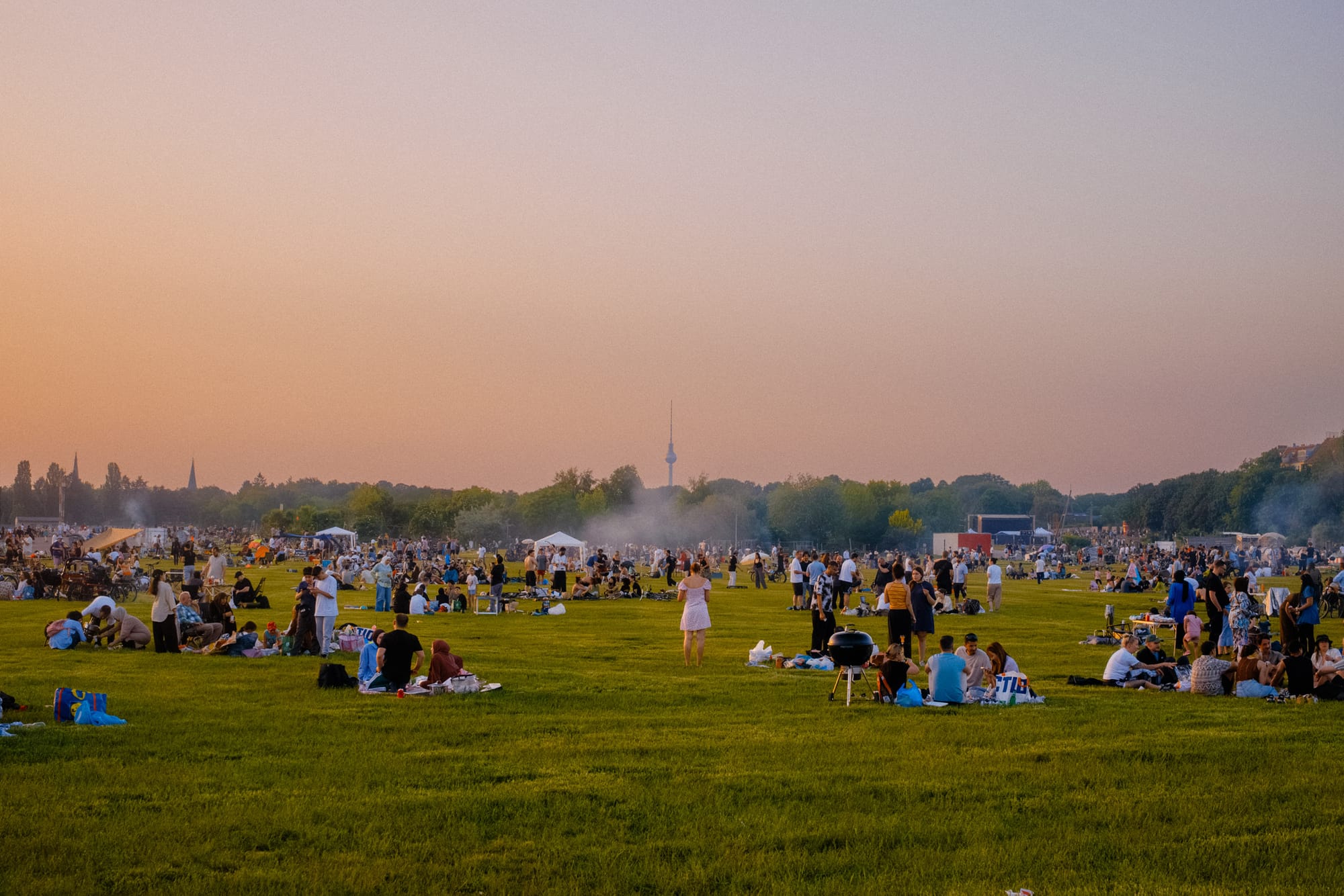
Berlin was 30°C for a good chunk of the time we were there, but oddly a manageable 30°C. Our Airbnb did not have aircon, but it did have a large tree taking up most of the courtyard. This provided us with constant shade and we were never too hot. The city had a good breeze flowing through it and so 30°C somehow felt more like 25°C. The sheer number of green spaces meant there was always somewhere shaded to sit.
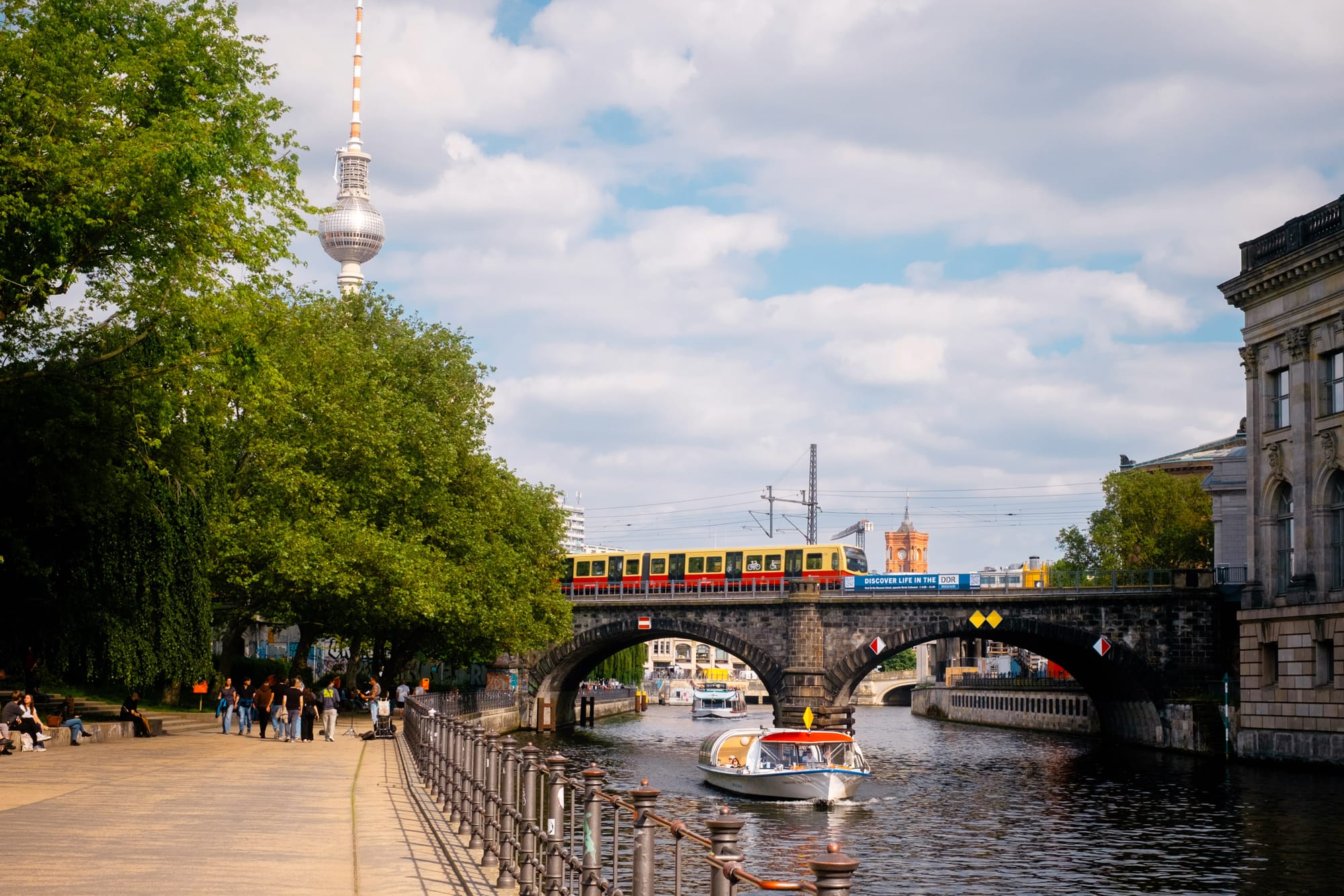
While we used public transport a lot, I never felt a need to put my headphones on like I do at home. Are Berliners quieter on trains/buses/trams? Maybe... Or maybe it was that I was always in a good mood and easily distracted by new views so I never noticed someone playing music from their phone. That said, I certainly noticed someone playing music from their portable speaker on the sleeper train and on the U-Bahn. The rest of the time, oddly civilised.
Feeling abled
Looking back at the trip, I think all of these little things had something in common. Together, they explain how I coped better in Berlin in 2026 than in 2024.
Normally I do not look up a city before visiting it, so my ADHD is super excited by all the new sights to see. Being that energised by a new place helps me take photos and not suffer from debilitating anxiety. Except it didn’t work last time, so what changed? Was the city more accommodating, or was my understanding of it better?
I think I changed more than the city did. When I returned, I understood where to go and what food options were available. I knew the public transport system and it was so easy that everywhere in the city was accessible with the help of a maps app. I was never overwhelmed by it all. If we wanted to go somewhere, it was super easy. Barely an inconvenience.
I also went into the holiday with an actual saving pot of money thanks to my bank app, Monzo. There’s a feature whereby you can save a small amount of money each day for a year, and I had been. So when we left I had enough money to enjoy the trip. If I wanted a coffee, I could buy a coffee. For a few days I did not have money worries.
Ultimately I removed papercuts which led to a reduction in anxiety. Money, sorted. Food, things to see, an easy transport system? Sorted. Camera worries? Sorted. Clothes, sorted. I was so at ease, I wore a skirt for 2 days. Something I haven’t felt comfortable doing in Europe for a while now.
Would I recommend Berlin?
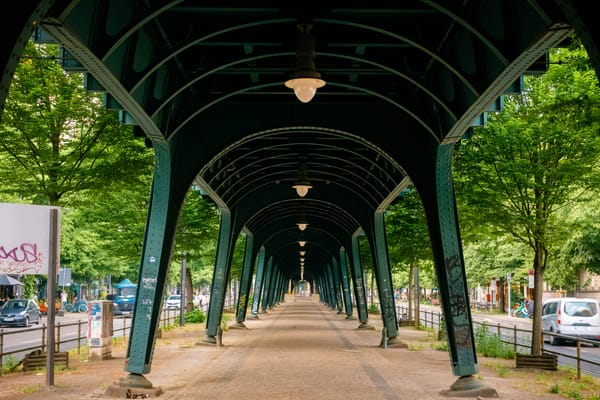
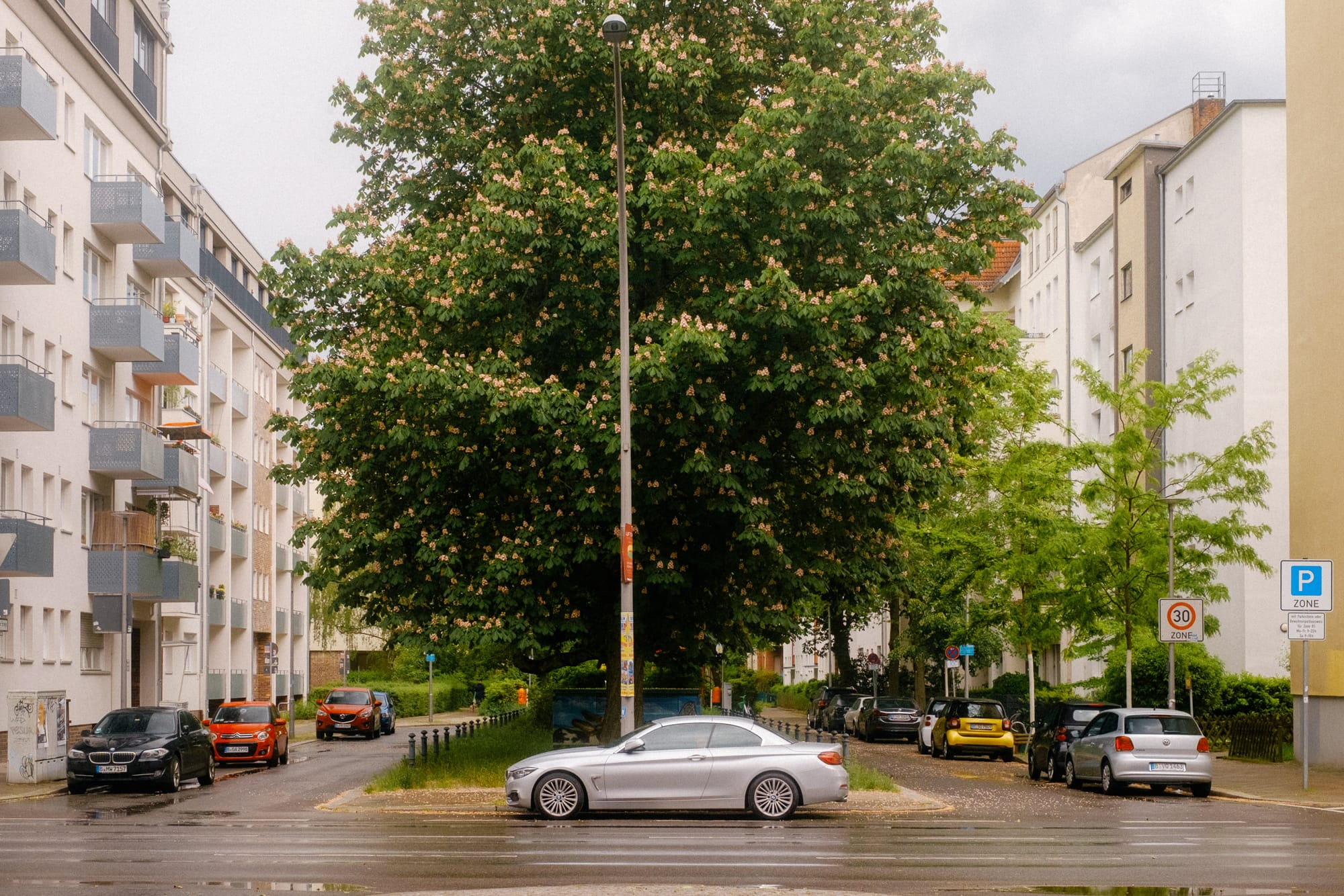
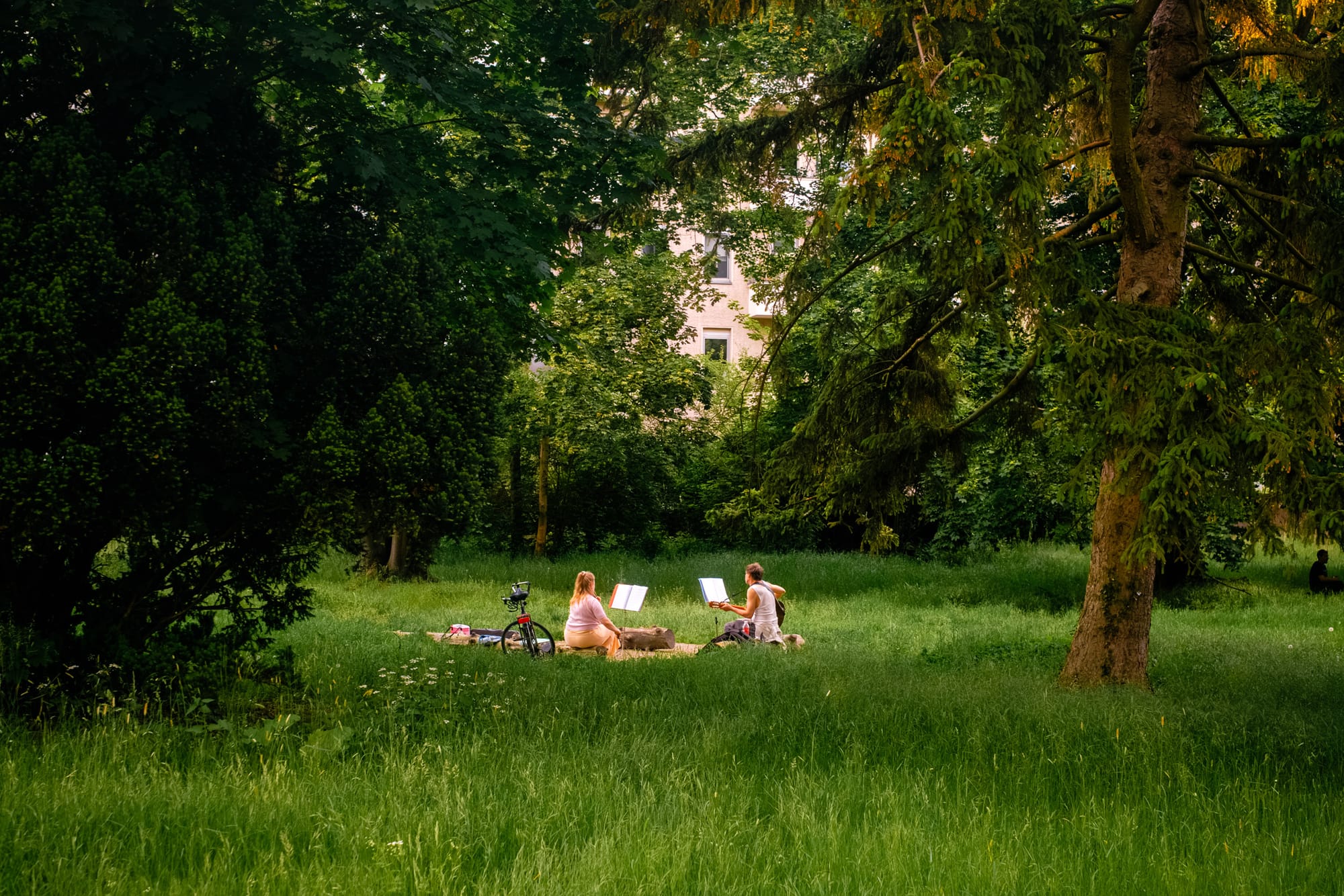
Berlin was incredible. It is my new favourite European city and I cannot wait to go back. Easy to use public transport. You get a 7-day pass with the BVG app, and hop on/off anything without needing to check in/out. Easy to find good food. So many museums and galleries filled with fascinating exhibitions. The sheer number of green spaces meant there was always somewhere shaded to sit. Every street is filled with big trees and it is glorious to see.
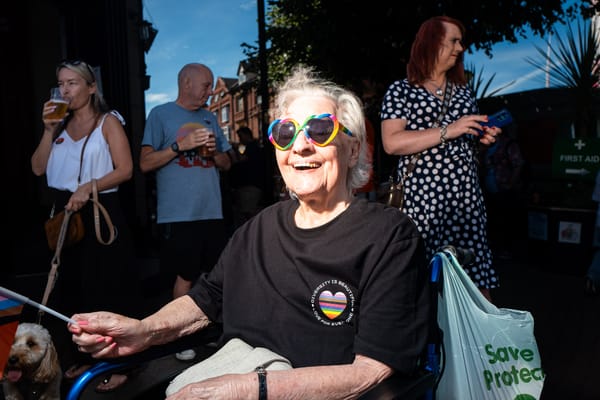
Is it an accessible queer-friendly city? Despite what happened this summer at the Christopher Street Day (CSD) event, aka Pride, when a vehicle was driven into a crowd, I felt safe in Berlin walking round in a skirt. It’s generally regarded as a safe city for queer folk. It helped that we stayed in Schöneberg, one of the main queer spaces in the city.
It’s strange that it’s hard to say exactly why I felt good in Berlin compared to other places. I visited London for a few days this summer and I did not feel as at ease there as I did in Berlin. It’s entirely possible it was all down to my own headspace and that I was in a better place mentally in Berlin than I was in London. Which is perhaps a good lesson to learn for life, and I will one day. I set a reminder to do so, in one of my many task management apps. Once I figure out which one is best I’ll get right on with being in a mentally better place. Definitely.
Tips
- There are many free walking tours that are a joy to do. Tip your tour guide after. Use the app/site Guruwalk. We booked on Berlin Basics, Berlin Wall and a queer tour but the guide had to cancel due to illness.
- Get the clichés out of the way first. Checkpoint Charlie is a tourist trap and selfie point. See it, but there is much more to experience. Same for the Brandenburg Gate. You’ll see them on the Berlin Basics walking tour, which is an excellent introduction to the city.
- BVG app for transport – We got the tourist card with city discounts we never used. There is probably an easier way to do it, but we couldn’t find it.
- Skinny dipping at Teufelssee Lake is a must and you can air dry naked in the grass after.
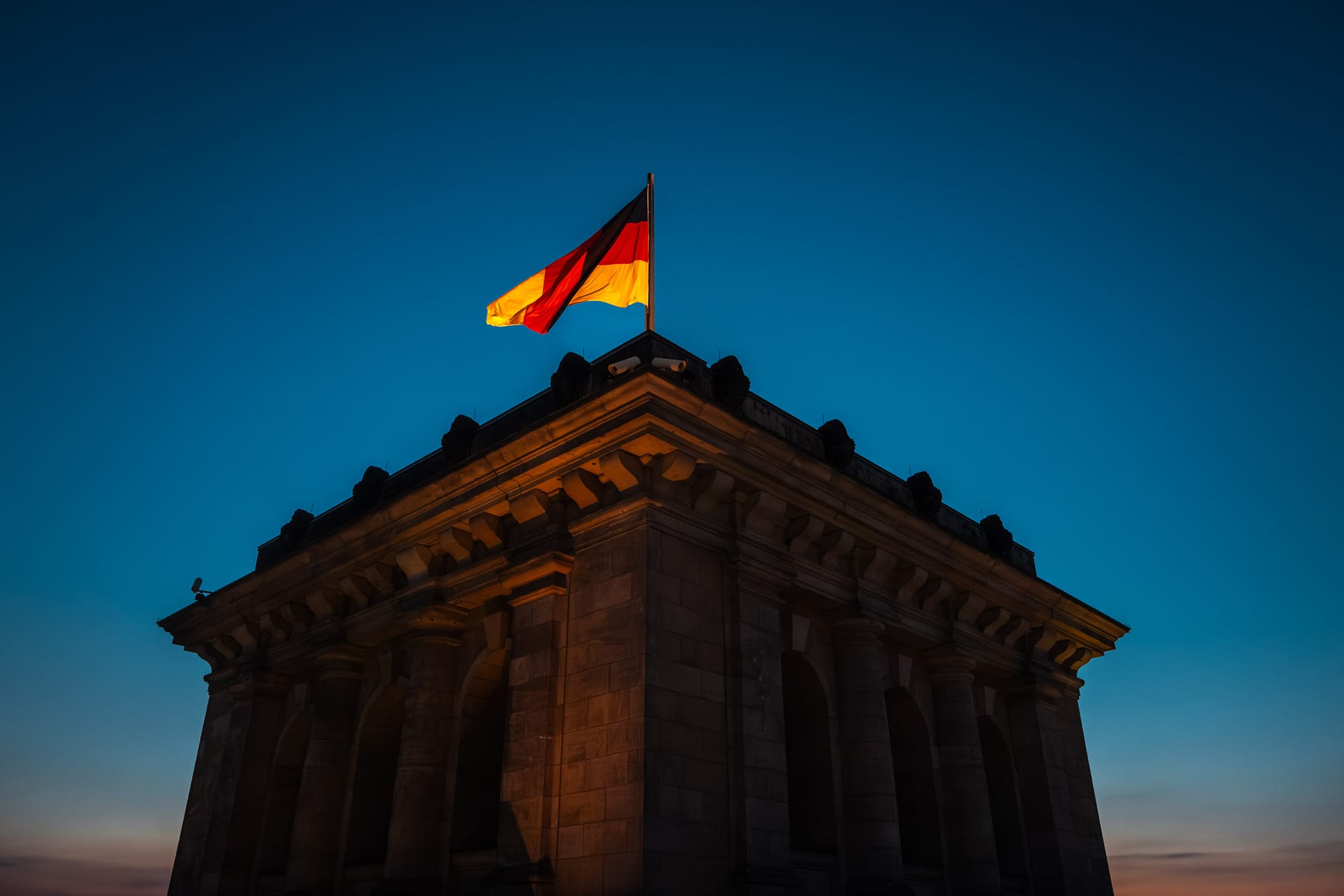
- Do the Reichstag Building tour at sunset. You can stay till dusk. No one kicks you out. The single lift means the space is never busy, but can be a bottleneck for leaving. Passport ID is required.
Links
- From the berlin community on Reddit - Sensory friendly restaurant recommendations
- Disability and travel: why Berlin and Hamburg are definitely worth visiting. Our writer, Wolfgang, who uses a wheelchair after suffering a stroke, reviews his trip to Berlin and Hamburg in Germany. Find out how accessible both cities are, as well as how he found staying at the Stadthaus Hotel, which employs a high proportion of disabled people.
- Berlin Airport joins the Hidden Disabilities Sunflower. Berlin Brandenburg Airport (BER) has become the first German airport to join the global Hidden Disabilities Sunflower network.
- Accessibility in Berlin. Tips and information on accessibility and services for Berlin tourists with visual or auditory impairments or physical disabilities.
- A Wheelchair Accessible Travel Guide to Berlin. Explore this wheelchair accessible travel guide to Berlin, featuring a hotel with a roll-in shower, wheelchair accessible top attractions, and the accessibility challenges we faced.
- Accessible Berlin. Exploring in your own way: Making your Berlin trip an accessible experience